Mesh vs foam office chair
Updated June 2026Independently researchedNo paid placement.
If you run hot and stay seated for long stretches, mesh is usually the better choice because it breathes and keeps its shape; foam feels plusher at first but can trap heat and flatten over time. The best chair for you ultimately depends on fit, adjustability, and the quality of materials, not just the cushioning type.
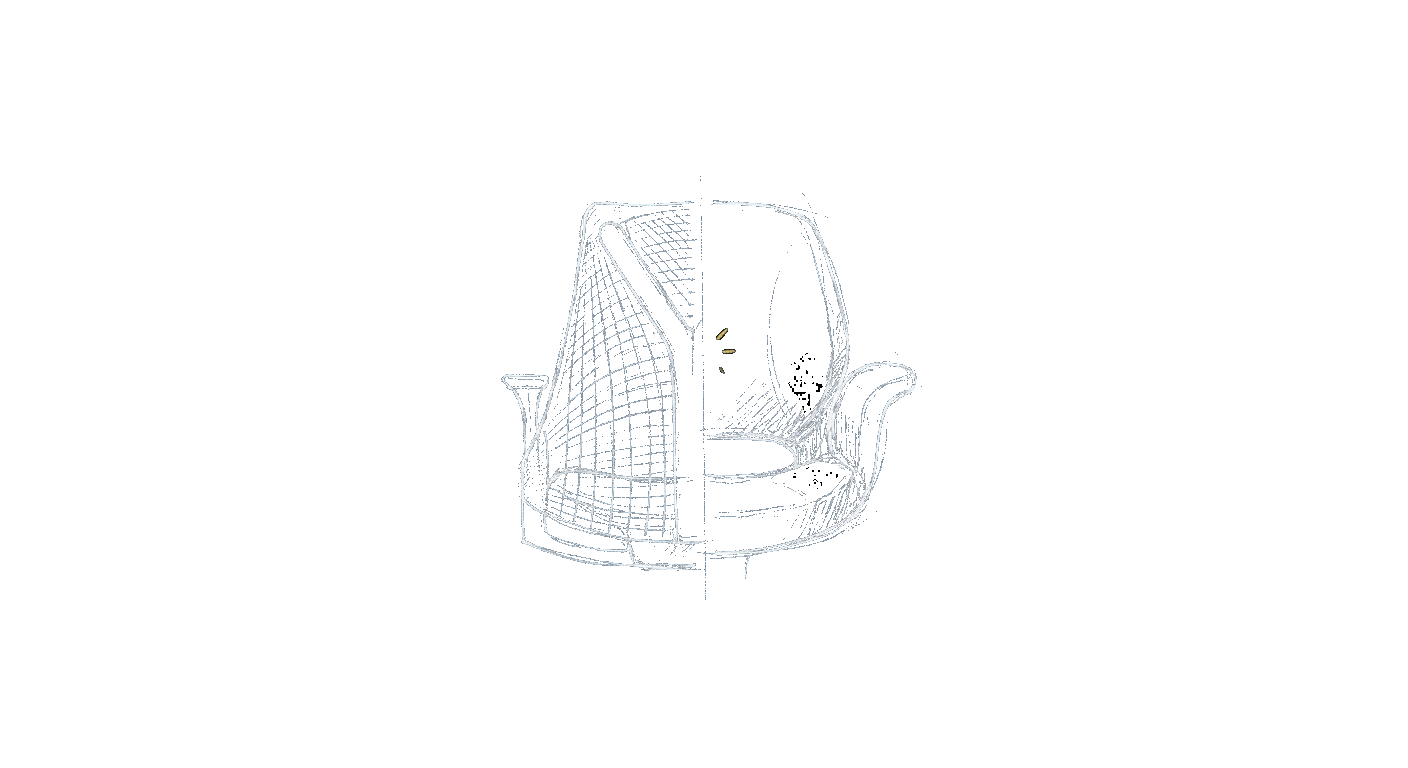
Which is better for hot offices and long sitting sessions?
Mesh chairs are designed to let air pass through the backrest and seat, so heat doesn’t collect under your thighs and behind your back. Foam chairs, especially dense or leather-wrapped ones, trap warmth and can feel clammy by mid-afternoon. That doesn’t make foam a bad choice, many foam chairs now use ventilated channels or breathable fabric covers, but none match the ventilation of an open mesh seat. If you’re prone to sweating or your workspace runs warm, mesh has a clear edge.
How do mesh and foam support pressure points differently?
A tensioned mesh seat distributes your weight evenly by flexing under your thighs, but the front rim of the frame can dig in if the chair is too small or too large for you. Foam, by contrast, offers a softer initial sink and supports broad pressure areas. High-density foam resists flattening, yet it still forms to your shape over time. Published ergonomics reviews and owner reports agree that the best support comes from a chair’s overall design, lumbar curve, seat depth, armrests, recline tension, not just the cushion material.
Which one lasts longer: mesh or foam?
Mesh is known for holding its shape for years, but the tension can relax and the weave can tear if it’s abused. Quality varies; a cheap mesh seat may sag quickly, while a well-engineered mesh chair can outlast several foam models. Foam seats gradually break down, and low-density foam can develop a permanent valley within a year or two. High-density foam is much more durable, though it can still lose resilience. If you want a decade of daily use, a chair with replaceable parts and a solid frame matters more than the cushioning material.
Is a mesh chair harder than a foam chair?
Not necessarily. Mesh has a firm, “trampoline-like” feel because it flexes under load, but it doesn’t put hard pressure on your sit bones. Foam can feel plush in the showroom yet bottom out after an afternoon. The real difference is in the type of contact: mesh pushes back with even tension, while foam cradles you more deeply. Some users love the firm support of mesh; others miss the soft, padded embrace of foam. Try both for at least fifteen minutes before you decide.
Which chair material is better for heavy users?
Large and tall people often prefer mesh because it has less cushioning to compress and can be tensioned to support more weight. That said, the seat frame dimensions matter: a mesh chair that’s too narrow will press into your thighs. Foam chairs aimed at heavier users use firmer, denser foam and wider seats, so size and weight rating can compensate for the material’s tendency to sink. Look for a chair that matches your height and weight range, and read owner reviews from people with your build.
Who should choose mesh, and who should choose foam?
Choose mesh if you run hot, work long shifts, or want a backrest that always feels springy. Choose foam if you prefer a softer, more plush seat, or if your office is drafty and you want extra warmth. There’s no universal winner, many people end up with a hybrid chair that has mesh on the back and foam on the seat. Think about your body, your climate, and how many hours you actually sit before comparing price tags.
Frequently asked questions
Can a mesh chair hurt your back?
No, mesh itself doesn’t cause back pain, but a mesh chair that is the wrong size or lacks lumbar support can. The same is true of foam. Fit and adjustability are what determine whether a chair supports you.
Why do my legs hurt on a mesh chair?
The front edge of the mesh seat frame can press on the underside of your thighs if the seat is too long or too short for you. A height-adjustable seat and a seat pan that slides forward or backward are the features that fix this.
Can I add a cushion to a mesh chair to make it softer?
Yes, but a thick foam cushion can block airflow and change the chair’s ergonomic contour. A thin breathable cushion or a foam seat pad made for mesh chairs is usually a better compromise.
What is easier to clean, mesh or foam?
Mesh is easier to vacuum, and liquids pass through it, but spills can stain the frame and debris can fall inside. Foam absorbs spills and odors, so it needs a washable cover or prompt spot cleaning.
Will a mesh chair make me feel cold?
In a cool, air-conditioned room, the open weave can feel drafty, especially on your back. A thin cushion or a stretchy fabric cover on the backrest can help if that happens.
Are expensive chairs worth it for long days?
A higher price usually buys better adjustability, sturdier materials, and a longer warranty. That matters more than whether the chair is mesh or foam, but a cheap mesh chair may not be any more durable than a decent foam one.