How to dial in espresso at home
Updated June 2026Independently researchedNo paid placement.
To dial in espresso at home, fix your dose and yield first, then adjust the grind until your shot runs in the typical 25 to 35 second range and tastes balanced. Use the dose‑yield‑time framework to change one variable at a time, and always let your taste buds guide the final tweaks.
What does dialing in espresso actually mean?
Dialing in is the process of matching your grind size, dose, and yield to the particular coffee you’re brewing. The goal isn’t a specific number on a timer; it’s a balanced, flavorful shot that tastes sweet, acidic enough to be lively, and not harshly bitter. The standard framework uses three linked variables: dose (how much dry coffee goes into the basket), yield (how much liquid espresso comes out), and time (how long the shot takes). Grind size is your main lever for adjusting time. Once you understand how these interact, you can make purposeful changes instead of guessing.
How do you choose your starting dose and yield?
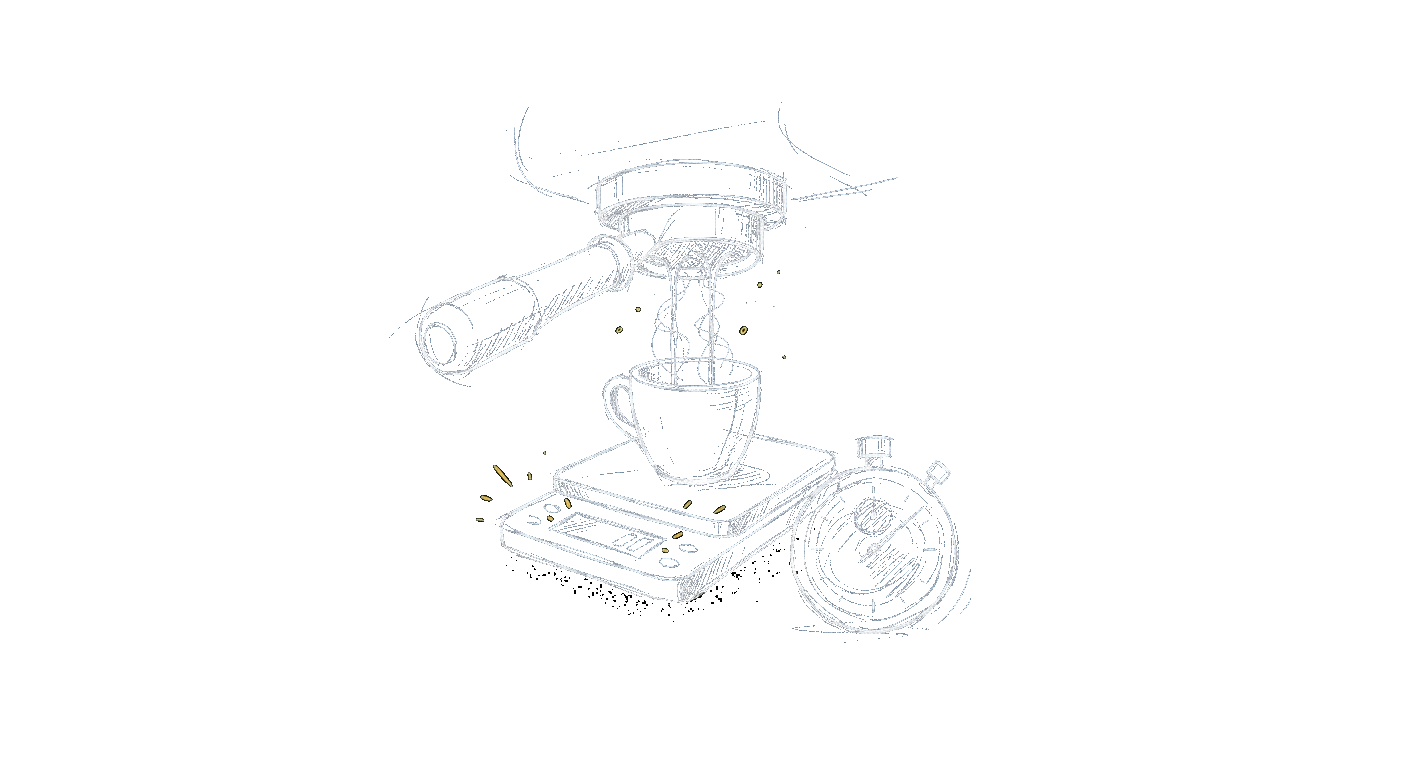
Start with the basket size that came with your portafilter. Most double baskets hold somewhere around 14 to 18 grams of coffee, so fill the basket until it’s slightly heaped, then level it off. Weigh that amount and use it as your fixed dose for the session. For yield, begin with a 1:2 ratio, for example, 18 grams in and 36 grams out. Use a small scale under your cup while brewing so you can stop the shot precisely at your target yield. This removes guesswork and makes your adjustments repeatable.
How do you time the shot and read the flow?
Start the timer the moment you flip the pump switch, not when coffee first appears. Stop it when your scale hits the target yield. A well‑extracted shot typically falls in the 25 to 35 second range, but don’t treat that as a law, the right time depends on your coffee, roast level, and taste. Watch the stream as it pours. A healthy shot starts with a slow, honey‑like drip after about 5 to 10 seconds, then thickens into a steady, smooth flow. Near the end, the stream will turn pale and watery; that’s called blonding. If the shot blondes very early, it’s running too fast. If it stalls or drips unevenly for a long time, it’s too slow.
How do you adjust the grind?
If your shot runs fast and tastes sour or thin, grind finer. Finer coffee creates more resistance, slowing the flow and increasing extraction. If your shot runs slow and tastes bitter or harsh, grind coarser. Make small adjustments, then pull another shot with the same dose and yield. One common mistake is changing both dose and grind at the same time. Change grind first, then evaluate. A grind setting that looks right on paper isn’t the goal, the shot should taste balanced. Sometimes you might still get a sour shot in 30 seconds, and that tells you to adjust yield rather than grind.
How do you use taste to fine‑tune the shot?
Sourness often means under‑extraction, so you need more contact time or a higher ratio. Bitterness often means over‑extraction, so you need less time or a lower ratio. A balanced shot has a rounded acidity, noticeable sweetness, and a pleasant, lingering finish that isn’t astringent. If your shot is sour but the time is already 30 seconds, try increasing the yield slightly, maybe 1:2.5 instead of 1:2. rather than grinding finer. If the shot is bitter and you don’t want more body, decrease the yield. Taste each adjustment, and keep notes if you’re switching beans often.
When should you change the dose instead of the grind?
Change the dose when the basket volume is wrong, for example, if you see a deep impression from the shower screen or a soupy puck that leaves the basket messy. Dose also matters for roast level: dark roasts often do well with slightly lower doses, while light roasts may need more headroom. If you find yourself grinding at the extreme ends of your grinder’s range, adjusting the dose can bring you back to a more comfortable zone. But keep dose changes small, half a gram can make a noticeable difference. Once you’ve dialed in a particular coffee, the dose and yield usually stay fixed and you only adjust the grind as the beans age.
Frequently asked questions
Why does my espresso run too fast?
A fast shot with a thin, pale stream usually means the grind is too coarse. Grind finer and keep your dose and yield the same, then try again.
Why does my espresso taste sour?
Sourness is typically a sign of under‑extraction. Grind finer to slow the shot, or increase the yield slightly to extract more coffee solids.
Why does my espresso taste bitter?
Bitterness usually comes from over‑extraction. Try grinding coarser to shorten the shot time, or reduce the yield to stop the brew earlier.
What does blonding look like?
Blonding is when the stream turns from dark honey to a thin, pale, watery color near the end of the shot. You want to stop the shot before it blondes excessively.
Do I need a scale and a timer to dial in?
A scale is strongly recommended because consistent dose and yield are the foundation of dialing in. A timer helps you track trends, but taste is the final judge.
How often should I adjust the grind?
Re‑dial your grind every time you open a new bag of coffee, and sometimes every few days as beans age. Changes in humidity or temperature can also shift your grind setting.