Best espresso machines under $500
Updated June 2026Independently researchedNo paid placement.
The Breville Bambino Plus is the best espresso machine under $500 for its fast heat-up, consistent pressure, and user-friendly automatic steam wand.
The Gaggia Classic Pro is the value champion for purists who want mod-friendly simplicity, while the Breville Barista Express bundles a grinder and dual boiler for one-stop convenience.
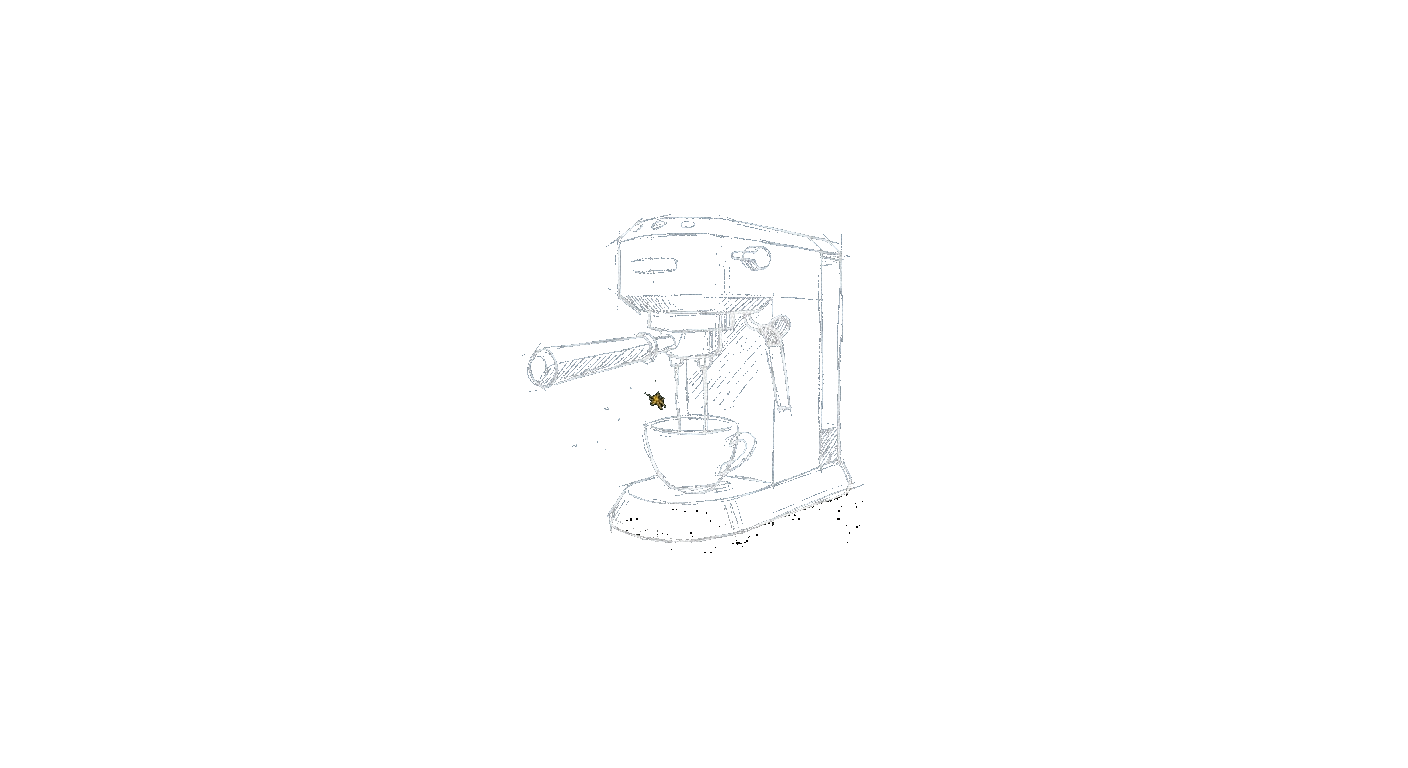
A great espresso machine is the sweet spot for home baristas who want genuine espresso without a four-figure price tag. In this range, you get reliable temperature control, decent steam power, and enough durability to pull hundreds of shots. But not all machines are equal: some trade grinder quality for ease, others sacrifice convenience for moddability. To find the right one, decide how much effort you want to put in. Do you want a machine that heats up in seconds and foams milk automatically? Or do you prefer a classic lever valve you can tweak and upgrade over time? The three picks below all deserve a spot on your counter, but each suits a different style of espresso lover.
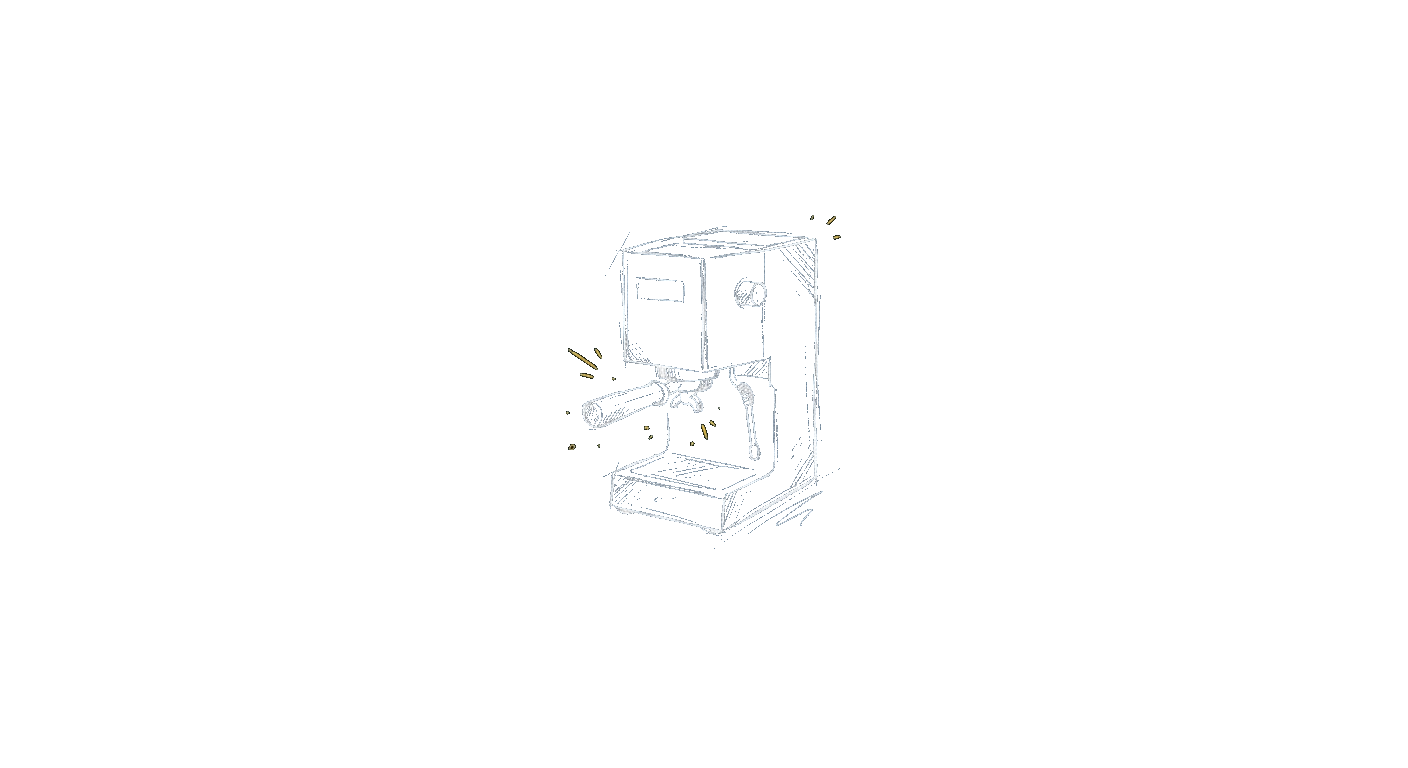
Breville Bambino Plus
the do-it-all default
4.8out of 5The Breville Bambino Plus delivers café-quality espresso in less time than it takes to brew drip coffee. Its automatic steam wand produces silky microfoam at the touch of a button, and the low-pressure pre-infusion helps even uneven grounds. This is the easiest path to great shots and lattes without breaking the bank.
Price range: $$
Check price on Amazon →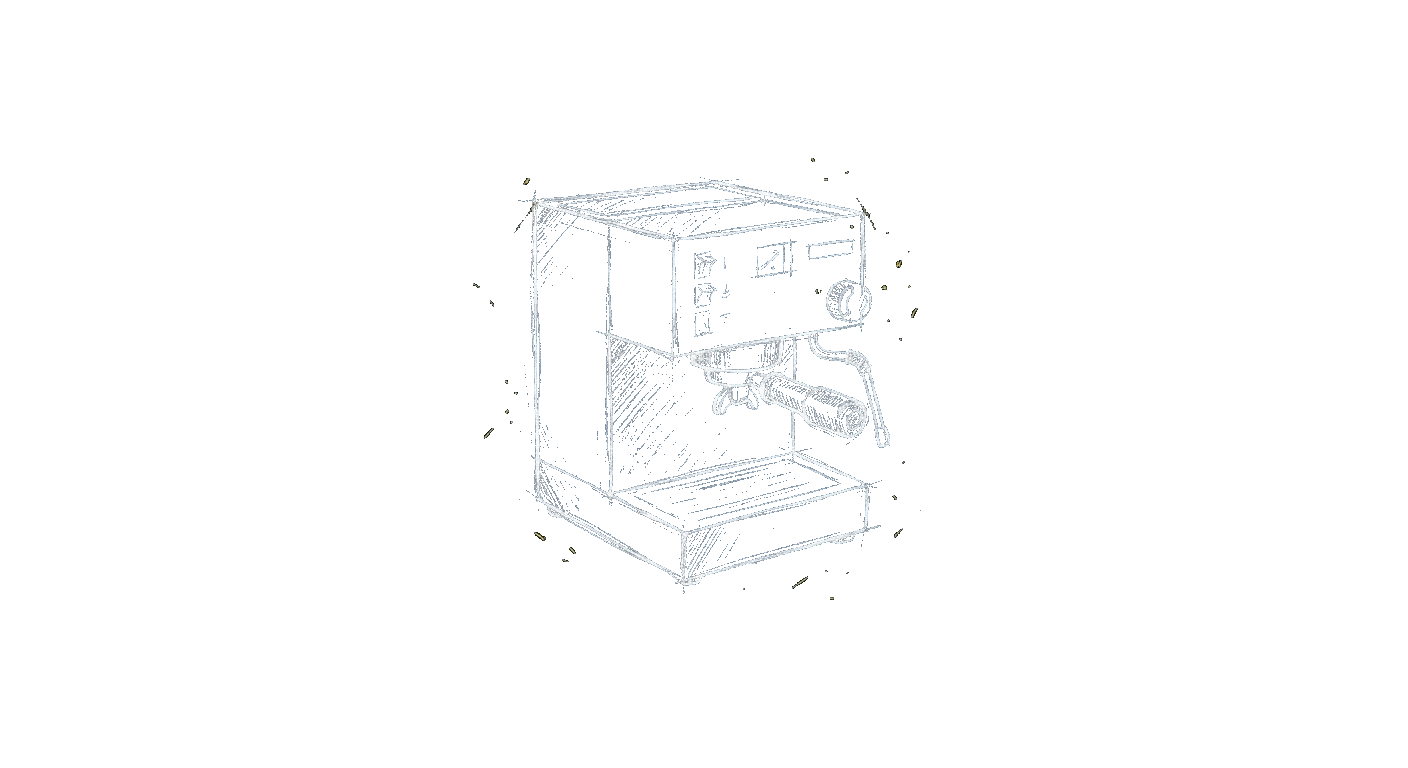
Gaggia Classic Pro
the modder’s value champion
4.6out of 5The Gaggia Classic Pro is a no-nonsense espresso machine built around a commercial-style three-way solenoid valve and a 58 mm portafilter. It’s simple, durable, and endlessly upgradeable. If you enjoy tinkering and want full control over your shot, this is the best value – but be ready for a learning curve.
Price range: $$
Check price on Amazon →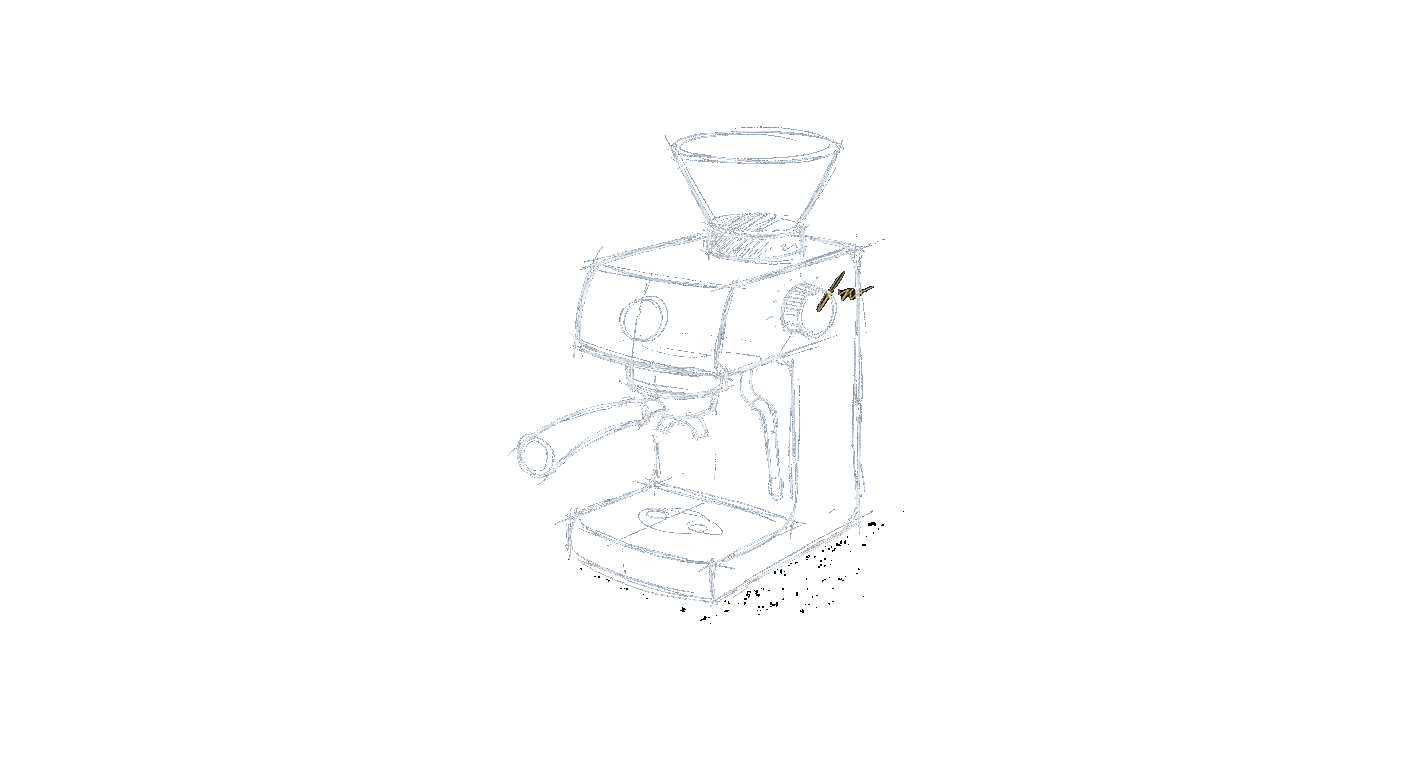
Breville Barista Express
the all-in-one starter
4.4out of 5The Breville Barista Express packs a grinder, single boiler, and steam wand into one tidy package. It’s the most complete solution for someone who wants everything out of one box. But the built-in grinder is the weakest link – it can be inconsistent, and you can’t upgrade it separately without replacing the whole machine.
Price range: $$$
Check price on Amazon →| Award | Model | Our score | Price | Best for | |
|---|---|---|---|---|---|
| Best overall | Breville Bambino Plus | 4.8 / 5 | $$ | Anyone who wants fast, fuss-free espresso with excellent milk texture and doesn’t mind buy | Check price → |
| Runner-up | Gaggia Classic Pro | 4.6 / 5 | $$ | Budget-conscious enthusiasts who plan to mod their machine and want a 58 mm platform for s | Check price → |
| Best value | Breville Barista Express | 4.4 / 5 | $$$ | Beginners who want a single purchase that grinds, brews, and steams without sourcing separ | Check price → |
The picks in detail
1. Breville Bambino Plus: the do-it-all default
Best overallThe Breville Bambino Plus delivers café-quality espresso in less time than it takes to brew drip coffee. Its automatic steam wand produces silky microfoam at the touch of a button, and the low-pressure pre-infusion helps even uneven grounds. This is the easiest path to great shots and lattes without breaking the bank.
Pros
- Heats up in about three seconds – no warm-up wait
- Automatic steam wand creates consistent microfoam with little practice
- Compact footprint fits under most cabinets
- PID temperature control ensures stable water temps shot after shot
Cons
- Uses portafilter (fewer aftermarket accessories
- No built-in grinder – you need a separate burr grinder
- Drip tray is small and needs frequent emptying
Who it’s for
Anyone who wants fast, fuss-free espresso with excellent milk texture and doesn’t mind buying a separate grinder.Who should skip it
You insist on a 58 mm commercial-standard group head or want to mod the machine heavily.2. Gaggia Classic Pro: the modder’s value champion
Runner-upThe Gaggia Classic Pro is a no-nonsense espresso machine built around a commercial-style three-way solenoid valve and a 58 mm portafilter. It’s simple, durable, and endlessly upgradeable. If you enjoy tinkering and want full control over your shot, this is the best value – but be ready for a learning curve.
Pros
- Industry-standard portafilter – huge range of accessories and baskets
- Three-way solenoid valve dries the puck for less mess
- Solid stainless-steel body and boiler that last for years
- Active modding community with affordable PID and pressure upgrades
Cons
- Long warm-up time (10 minutes or more) and no auto shut-off
- Steam wand is capable but takes practice to get microfoam right
- No pressure gauge or PID out of the box – temp surfing required for consistency
Who it’s for
Budget-conscious enthusiasts who plan to mod their machine and want a 58 mm platform for serious espresso.Who should skip it
You want instant heat, automated steam, or a fuss-free out-of-box experience.3. Breville Barista Express: the all-in-one starter
Best valueThe Breville Barista Express packs a grinder, single boiler, and steam wand into one tidy package. It’s the most complete solution for someone who wants everything out of one box. But the built-in grinder is the weakest link – it can be inconsistent, and you can’t upgrade it separately without replacing the whole machine.
Pros
- Built-in conical burr grinder with dose control – no extra purchase needed
- Dual boiler system (dedicated steam boiler) for quicker milk steaming
- Digital temperature control (PID) for stable extraction
- Intuitive controls with a pressure gauge and programmable shot volumes
Cons
- Grinder retention and clumping can lead to inconsistent doses
- Takes up more counter space than the Bambino Plus
- Steaming and brewing share water – can’t do both at the same time
Who it’s for
Beginners who want a single purchase that grinds, brews, and steams without sourcing separate gear.Who should skip it
You already own a quality grinder or plan to upgrade to one later – that extra cost is wasted here.Best for specific needs
Best for speed and simplicity
If your morning routine demands a latte in under two minutes without any fuss, the Breville Bambino Plus is your machine. Its instant heat-up and automatic steam wand mean you can go from button press to drinking in less time than most machines take to warm up. You’ll still need a separate grinder, but for pure speed and consistency, nothing else in this price range comes close. Our pick: Breville Bambino Plus.
Best for tinkerers and upgraders
The Gaggia Classic Pro is the go-to for espresso hobbyists who want to learn the craft and modify their gear over time. With its 58 mm commercial basket and three-way solenoid, it’s a proven platform for adding a PID controller, pressure gauge, or even a flow-control kit. If you enjoy dialing in shots and don’t mind a warm-up wait, this machine grows with your skills. Our pick: Gaggia Classic Pro.
Best for all-in-one convenience on a budget
The Breville Barista Express gives you grinder, espresso maker, and steam wand in a single unit that fits neatly on a counter. It’s ideal for someone who wants to start making real espresso without researching separate equipment. The built-in grinder has limitations, but for the all-in-one simplicity at this price, it’s a solid stepping stone into home espresso. Our pick: Breville Barista Express.
Our verdict
No single machine fits every kitchen, but these three stand out for different reasons. If you want the fastest path to great shots and silky milk, grab the Breville Bambino Plus. If you prefer a mod-friendly platform you can upgrade over years, the Gaggia Classic Pro is your pick. And if you need everything in one box and can live with a decent-but-not-great grinder, the Breville Barista Express delivers. Pair any of them with fresh beans and a good tamper, and you will pull shots that rival your local café, at a fraction of the cost.
Frequently asked questions
Can you really pull good espresso on a machine under $500?
Yes. Paired with a decent grinder and fresh beans, machines in this range produce genuinely tasty espresso. Their real limits are steam power and temperature stability, not whether the shot can taste good. Most home baristas never outgrow a well-chosen sub-$500 machine.
Should I buy the machine or the grinder first?
The grinder, almost always. Grind consistency drives extraction more than the boiler does, so a great grinder feeding a modest machine beats a great machine fed by a poor grinder. Budget for the grinder before you spend up on the machine.
What is the difference between a single boiler and a thermoblock machine?
A thermoblock heats water on demand and warms up fast but can be less stable shot to shot; a single boiler holds a reservoir of hot water for steadier temperature but takes longer to switch between brewing and steaming. Both pull good shots at this price; it mostly affects workflow and milk steaming.
Do I need a machine with a PID at this price?
It is a nice-to-have, not a requirement. A PID holds brew temperature more precisely, which helps consistency, but plenty of excellent sub-$500 machines have no PID and still make great espresso. Spend the money on a better grinder before chasing a PID.
Is a 58mm portafilter worth holding out for?
If you can get one in budget, yes. The 58mm size is the commercial standard, so baskets, tampers, and accessories are plentiful and cheap, and the wider puck can distribute more evenly. That said, several great compact machines use smaller portafilters and still perform well.