Best pressure washers for washing your car
Updated June 2026Independently researchedNo paid placement.
The Ryobi 2300 PSI Brushless electric pressure washer is the best all-around pick for most car owners, offering a strong blend of pressure, features, and reliability.
The Sun Joe SPX3000 is the value champion for budget-conscious shoppers, while the Kärcher K5 Premium delivers pro-grade build and cleaning power for serious detailers.
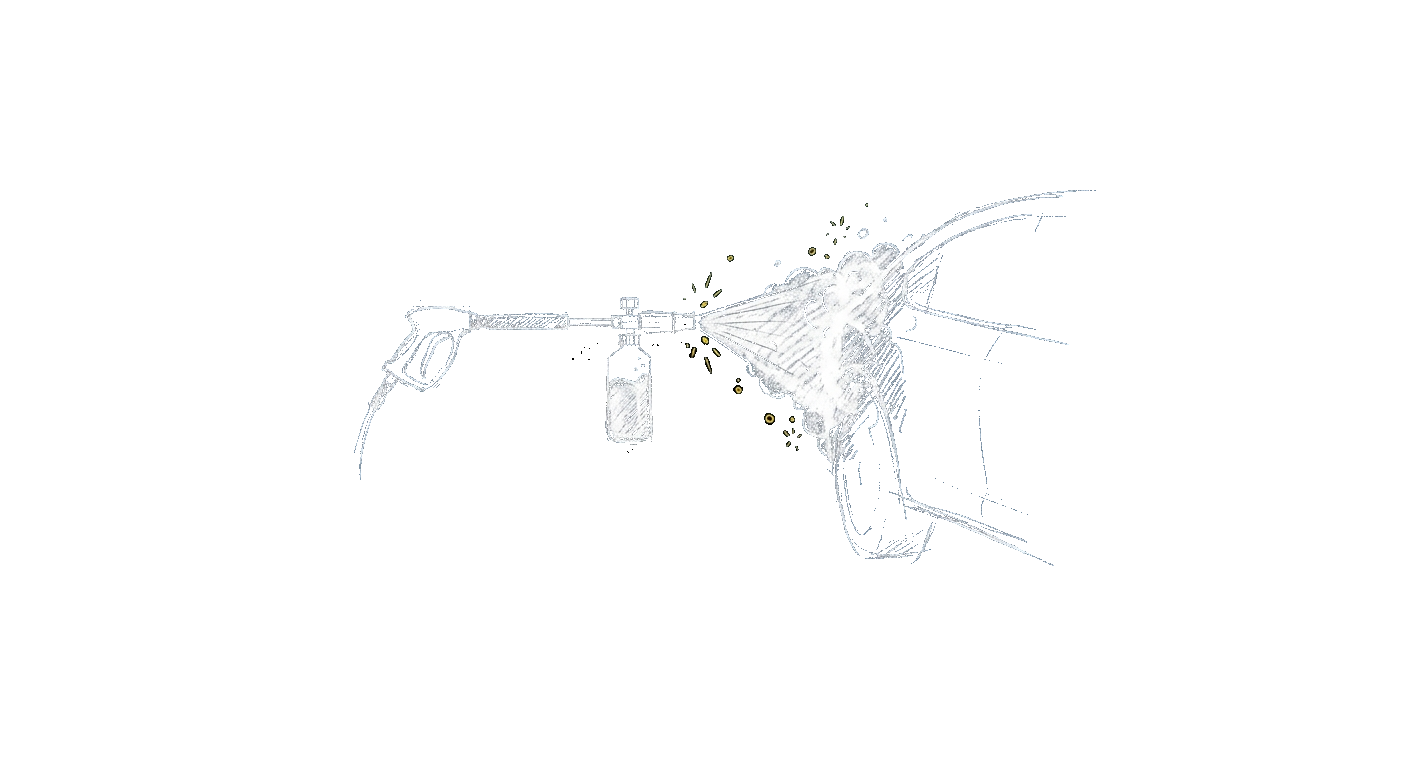
Using a pressure washer for car washing saves time and water while protecting your paint, if you match the PSI to the task. Most car-safe pressure washers fall in the 1,200 to 2,000 PSI range; higher pressure requires a wide fan tip and careful technique. Beyond PSI, look for a brushless motor for longer life, a decent hose length (25 feet or more helps), and on-board storage for the wand and nozzles. A 1.2 GPM (gallons per minute) flow rate is the minimum for effective rinsing, but 1.4 GPM or higher speeds up the job. Choosing the right pressure washer also means thinking about portability and nozzle selection. A foam cannon is a popular accessory for a contactless pre-wash, but the included turbo or rotary nozzles can be too aggressive on car paint, stick with the 40-degree or a wide fan tip. Quiet operation matters if you live in a neighborhood with noise restrictions. The three models below represent the best value, the best balance, and the best premium option for car washing, based on owner feedback and expert consensus.
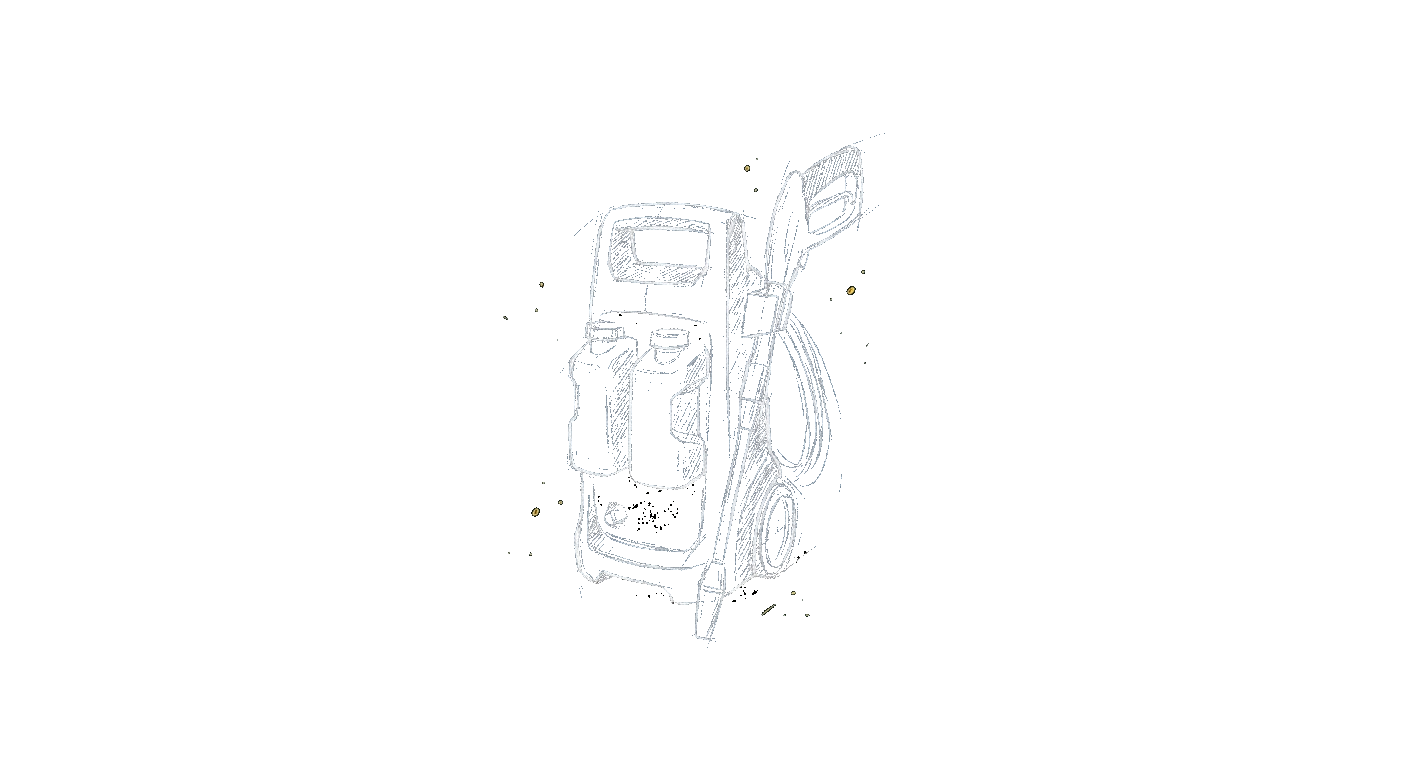
Sun Joe SPX3000
the value champion
4.4out of 5The Sun Joe SPX3000 is a budget-friendly workhorse that punches above its price. It offers dual detergent tanks and reasonable pressure for car washing, but its plastic pump and shorter hose limit how long it’ll hold up under heavy use.
Price range: $
Check price on Amazon →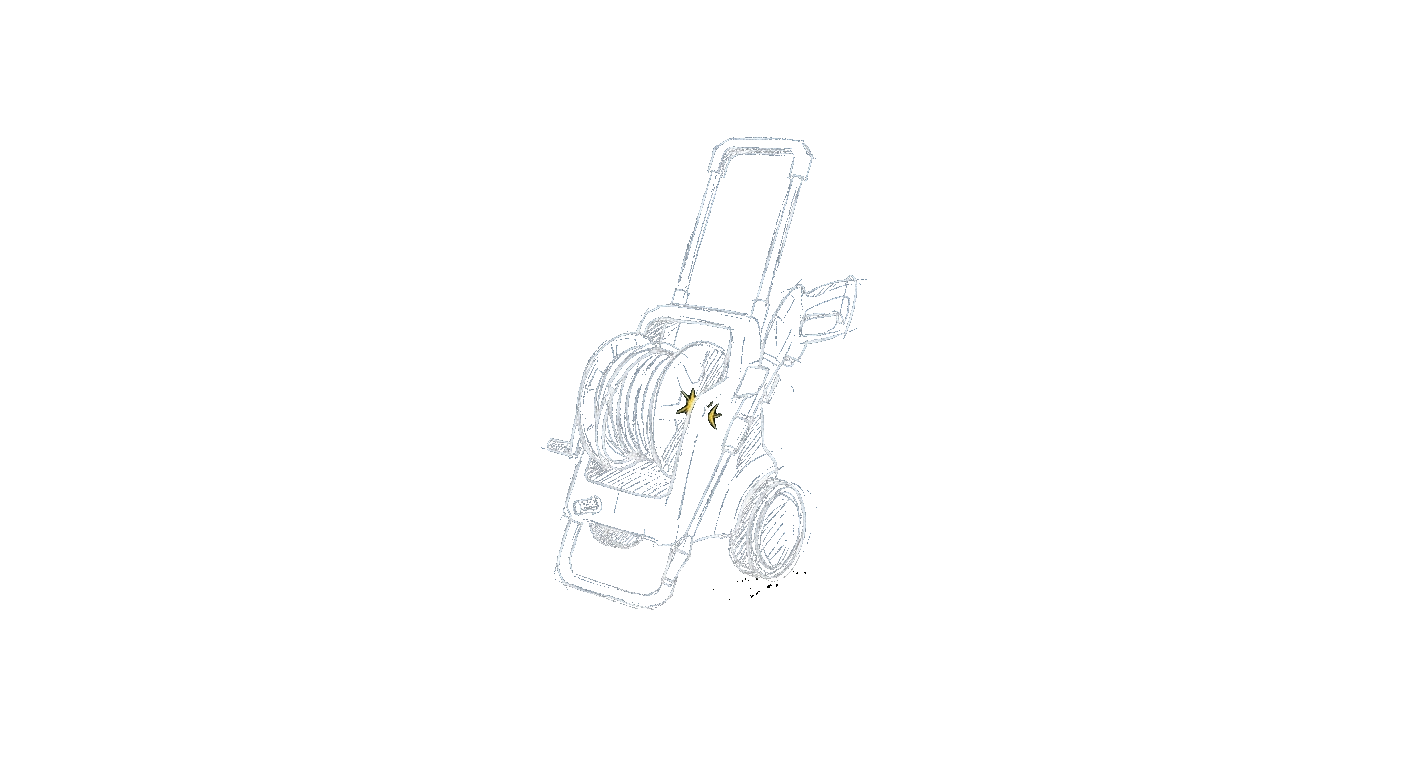
Ryobi 2300 PSI Brushless Electric Pressure Washer
the do-it-all default
4.6out of 5The Ryobi 2300 PSI Brushless hits the sweet spot of power, convenience, and value. Its brushless motor runs quietly and reliably, and the onboard storage keeps everything tidy. It’s not the cheapest, but it is the most likely to satisfy a wide range of car washers.
Price range: $$
Check price on Amazon →Kärcher K5 Premium
the pro-grade performer
4.7out of 5The Kärcher K5 Premium is built like a tank and delivers the highest sustained pressure in this lineup. Its water-cooled motor runs without overheating even during long sessions, and the long hose lets you reach around a large SUV without moving the unit. You pay a premium, but you get a machine that’s ready for years of abuse.
Price range: $$$
Check price on Amazon →| Award | Model | Our score | Price | Best for | |
|---|---|---|---|---|---|
| Best overall | Sun Joe SPX3000 | 4.4 / 5 | $ | Budget-conscious DIYers who wash a single car occasionally and don’t need professional pow | Check price → |
| Runner-up | Ryobi 2300 PSI Brushless Electric Pressure Washer | 4.6 / 5 | $$ | Most car owners who want a reliable, do-it-all pressure washer that balances performance, | Check price → |
| Best value | Kärcher K5 Premium | 4.7 / 5 | $$$ | Car enthusiasts and detailers who frequently wash multiple vehicles and want a pressure wa | Check price → |
The picks in detail
1. Sun Joe SPX3000: the value champion
Best overallThe Sun Joe SPX3000 is a budget-friendly workhorse that punches above its price. It offers dual detergent tanks and reasonable pressure for car washing, but its plastic pump and shorter hose limit how long it’ll hold up under heavy use.
Pros
- Exceptionally affordable, often half the price of comparable electrics
- Two built-in detergent tanks let you switch soaps easily
- Compact and lightweight for easy storage
- Includes five quick-connect nozzles for various tasks
Cons
- Plunge-style pump is less durable than brushless or axial models
- Short 20-foot hose requires you to move the unit often
- Lower pressure and flow than pricier models can make stripping heavy grime slow
Who it’s for
Budget-conscious DIYers who wash a single car occasionally and don’t need professional power.Who should skip it
You plan to use the pressure washer weekly or for multiple vehicles, invest in something sturdier.2. Ryobi 2300 PSI Brushless Electric Pressure Washer: the do-it-all default
Runner-upThe Ryobi 2300 PSI Brushless hits the sweet spot of power, convenience, and value. Its brushless motor runs quietly and reliably, and the onboard storage keeps everything tidy. It’s not the cheapest, but it is the most likely to satisfy a wide range of car washers.
Pros
- Brushless motor lasts longer and runs cooler than brushed options
- Very quiet operation, won’t disturb neighbors
- Three nozzles stored on the unit, plus a foam cannon ready out of the box
- Large wheels make it easy to move around the driveway
Cons
- Heavier than comparable electrics at
- No trigger lock (must hold trigger continuously) can fatigue your hand
- Hose is only 25 feet, which may require an extension for larger vehicles
Who it’s for
Most car owners who want a reliable, do-it-all pressure washer that balances performance, noise level, and cost.Who should skip it
You need extreme portability for washing at the curb or in tight spaces, look at a lighter model.3. Kärcher K5 Premium: the pro-grade performer
Best valueThe Kärcher K5 Premium is built like a tank and delivers the highest sustained pressure in this lineup. Its water-cooled motor runs without overheating even during long sessions, and the long hose lets you reach around a large SUV without moving the unit. You pay a premium, but you get a machine that’s ready for years of abuse.
Pros
- Water-cooled induction motor resists overheating and extends lifespan
- Generous 30-foot high-pressure hose reduces repositioning
- Durable metal pump and premium fittings feel far sturdier than plastic rivals
- Quick-connect spray wand and Vario Power nozzle adjust spray pattern from fan to jet
Cons
- High price, often more than double entry-level models
- Bulky and heavy for carrying up stairs
- Detergent tank is integrated but the suction tube can clog without proper filtering
Who it’s for
Car enthusiasts and detailers who frequently wash multiple vehicles and want a pressure washer that will hold up under heavy use.Who should skip it
You wash one car a few times a year, the cost and size are hard to justify for light duty.Best for specific needs
Best for value-conscious shoppers
If you want a capable pressure washer without spending a lot, the Sun Joe SPX3000 delivers solid cleaning for small cars and light jobs. Its dual detergent tanks and included set of nozzles give you good versatility for the money. Just be aware that the plastic pump and shorter hose mean it’s better suited for occasional use than heavy weekly detailing. Our pick: Sun Joe SPX3000.
Best for most car owners
The Ryobi 2300 PSI Brushless is the choice for anyone who wants one pressure washer to handle a sedan, an SUV, and driveway cleaning. Its brushless motor runs quietly and reliably, and the unit stores the wand, hose, and nozzles neatly. Owners consistently praise its build quality and the convenience of the foam cannon included in the box. Our pick: Ryobi 2300 PSI Brushless Electric Pressure Washer.
Best for serious detailers
When nothing less than pro-grade build and sustained high pressure will do, the Kärcher K5 Premium is the pick. It feels vastly more solid than typical consumer units, and the water-cooled motor means you can run it for longer sessions without worrying about thermal shutdown. Combine that with a 30-foot hose and you can wash a full-size truck without moving the machine once. Our pick: Kärcher K5 Premium.
Our verdict
Choosing the right pressure washer for car washing comes down to how often you wash and how much you’re willing to spend. The Ryobi 2300 PSI Brushless is our top pick because it perfectly balances power, quietness, and storage features for the typical car owner. If you’re on a tight budget, the Sun Joe SPX3000 will get the job done without breaking the bank. And if you’re a dedicated detailer who wants a machine that can handle high-volume washing and last for years, the Kärcher K5 Premium is worth every penny. Pick the one that fits your routine, pair it with a good foam cannon and a wide fan tip, and you’ll have your car looking showroom-ready in no time.
Frequently asked questions
What PSI is safe for washing a car?
Roughly 1,200 to 1,900 PSI is the safe, effective range for car paint. Higher pressure risks chipping paint, denting trim, and forcing water past seals. Most quality electric pressure washers can be made car-safe by choosing a wide nozzle and keeping a sensible distance.
Which nozzle should I use to wash a car?
Use a wide-angle tip, the 40-degree (white) nozzle, for rinsing, and a soap or foam-cannon nozzle for applying detergent. Never use the 0-degree (red) or 15-degree (yellow) tips on paint; their concentrated jets can strip clear coat and damage panels.
Will a pressure washer damage my car's paint?
It can if you use too much pressure, too narrow a nozzle, or hold the tip too close. Used correctly, with a wide nozzle, a safe PSI, and around a foot or more of distance, a pressure washer cleans paint safely and more gently than scrubbing, which can introduce swirl marks.
Is a foam cannon worth it for washing cars?
Yes, for most people. A foam cannon coats the car in thick suds that loosen and lift grit before you touch it, reducing the chance of scratching the paint when you wipe. Paired with a safe rinse nozzle, it makes a contactless or low-contact wash easy at home.
How far should I hold the nozzle from the car?
Start about two feet away and move closer only as needed, keeping the spray at a slight angle rather than blasting straight on. Watch how the paint and trim respond, and back off if water gets forced into seals, badges, or trim edges.